
ITOP.HU
Prometheus and Grafana:
Advantages of modern monitoring systems
Prometheus and Grafana are open source monitoring solutions that provide complete transparency. They offer real-time metrics and alerts. They work especially well in Kubernetes and cloud-native environments.
Prometheus benefits
- Time series data collection and storage:
Prometheus offers a powerful time-series database that efficiently stores and queries metrics from your system, allowing you to track and analyze performance changes. - Pull-based architecture:
Data collection is done using a pull method, so Prometheus automatically discovers and monitors new services, reducing network load and increasing security. - Proactive Query Language (PromQL):
PromQL allows you to create complex queries and aggregations, so you can perform in-depth analyses on the collected data. - Automatic service discovery:
It works especially well in dynamic, containerized environments (e.g. Kubernetes) where services and resources are constantly changing. - Alarm and integration:
It has a built-in alert system that can be connected to external systems (e.g. email, Slack, PagerDuty). - Cost-effectiveness and open source:
Free, with active community support and continuous development.


Advantages of Grafana
- Versatile visualization:
Grafana offers numerous visualization options (graphs, tables, heat maps, geomaps), making the data easy to interpret and understand. - Support for multiple data sources:
It is able to display data from multiple data sources (e.g. Prometheus, InfluxDB, Elasticsearch, SQL databases) in a unified way, thus providing a comprehensive view of the entire infrastructure. - Customizable, dynamic dashboards:
Dashboards are easily customizable, with interactive elements, variables, and drill-down functions, which supports quick analysis and decision-making. - Alarm and notification features:
Grafana offers its own alert system that can be integrated with email, Slack, PagerDuty, and other channels. - Scalability and security:
It is capable of handling large amounts of data and users, with advanced authorization management and security features. - Strong community and extensibility:
Rich plugin ecosystem, active community support, and easy integration with other systems.
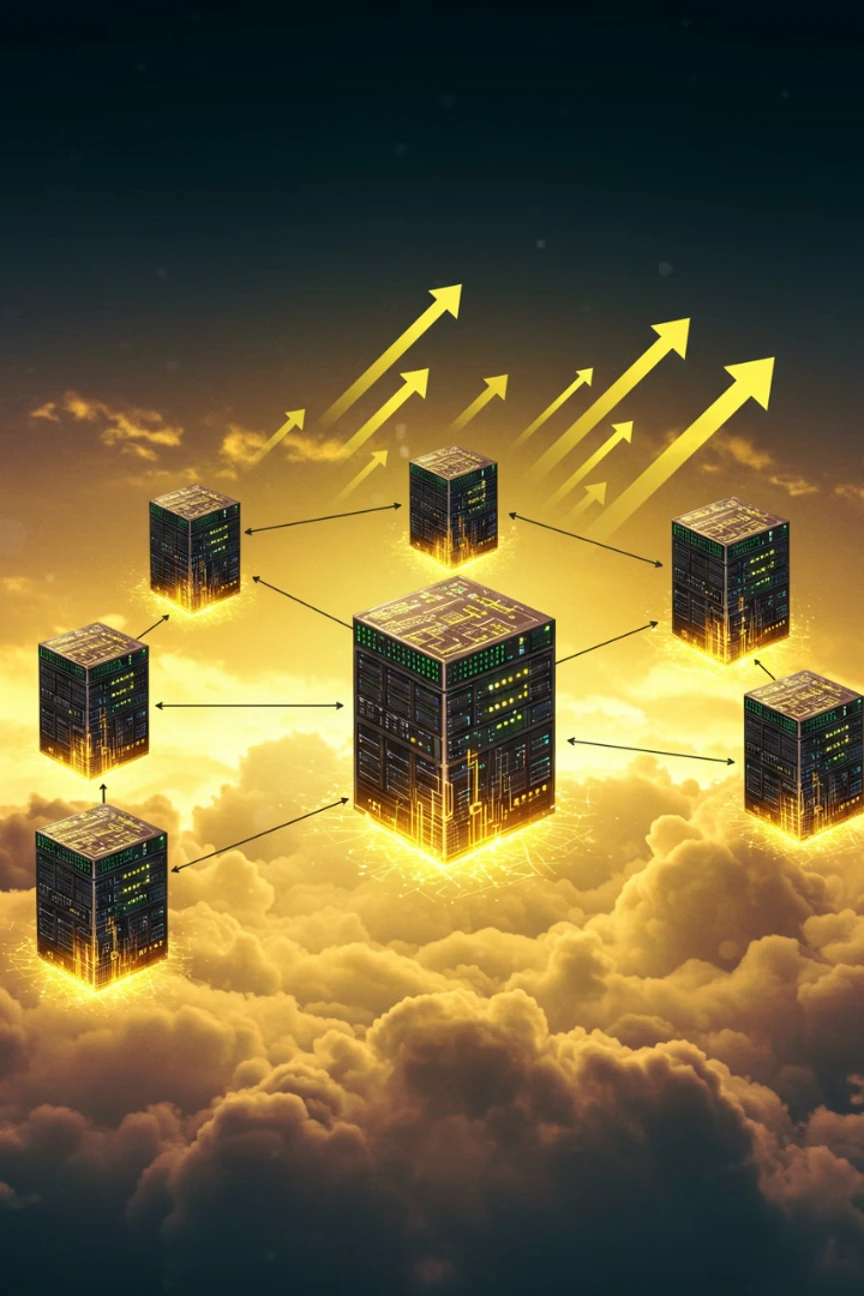
How do Prometheus and Grafana complement each other?
- The perfect combination of data collection and visualization:
Prometheus is excellent for collecting, storing metrics, and generating alerts, while Grafana can display this data on spectacular, interactive dashboards. - Real-time, detailed insight:
Time series data collected by Prometheus is displayed in Grafana in real time in a customizable way, so you can quickly identify problems and trends. - Scalability and flexibility:
Both systems are highly scalable, so together they can serve dynamically changing, containerized or cloud-based environments, such as Kubernetes clusters. - Cost-effective, open source monitoring stack:
Used together, the two tools offer a robust, cost-effective, easily expandable and customizable monitoring solution for modern IT infrastructures. - Easy integration:
Grafana natively supports the Prometheus data source, making setup quick and easy, and metrics immediately visualized.
In summary:
The combination of Prometheus and Grafana provides transparent, real-time monitoring, flexible alerting, and customizable visualization, making it an ideal choice for any modern, cloud-based, or containerized environment.
